Photography courtesy of Lowell Washburn, all rights reserved.
Spring Surveys Remained Largely Unchanged
When the days grow cooler and autumn winds shift to the north, Iowa duck hunters can expect to encounter good numbers of waterfowl during the 2025 hunting seasons. Although six of the ten key surveyed species showed a slight to moderate increase, a combined survey total of 34 million ducks [in traditional surveyed areas] remains essentially unchanged from 2024, according to the results of this year’s North American Breeding Duck and Habitat Survey released this week by the U.S. Fish & Wildlife Service.
Conducted every year since 1955, the continent-wide annual survey measures trends in duck breeding populations and monitors wetland [pond] indexes across the northern U.S. as well as for large portions of prairie and boreal Canada. Plagued by continuing drought, this year’s spring pond counts decreased by 20 percent from 2024 and were 20 percent below the 1955 – 2024 long-term average [LTA]. Although substantial rainfall occurred across much of the northern plains and southern Canada during late May and June, the precipitation arrived too late to benefit most nesting ducks.
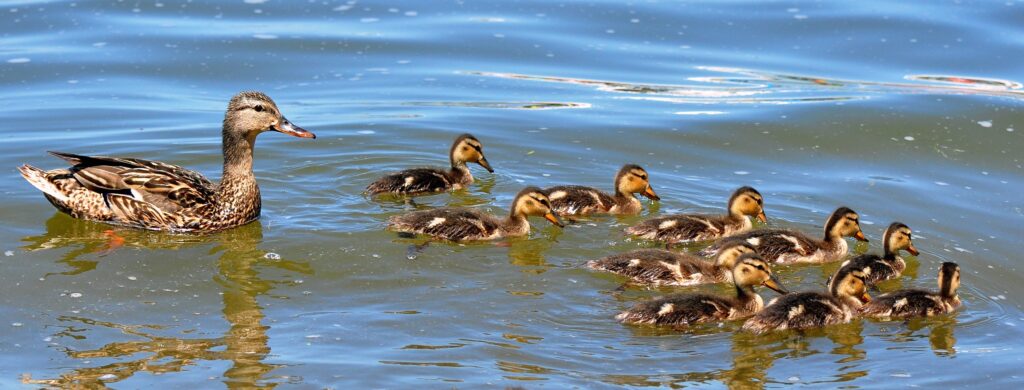
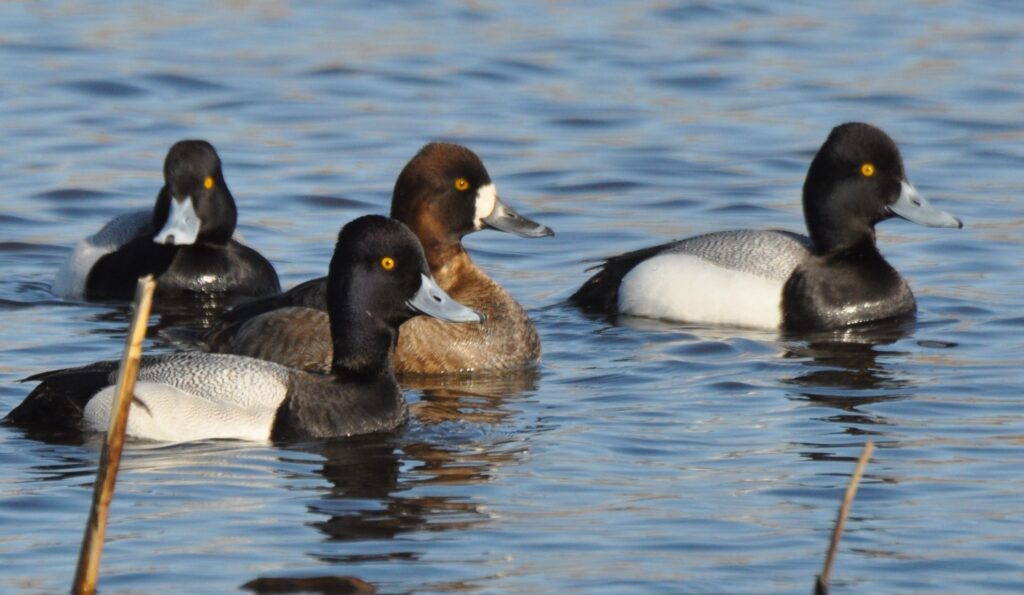
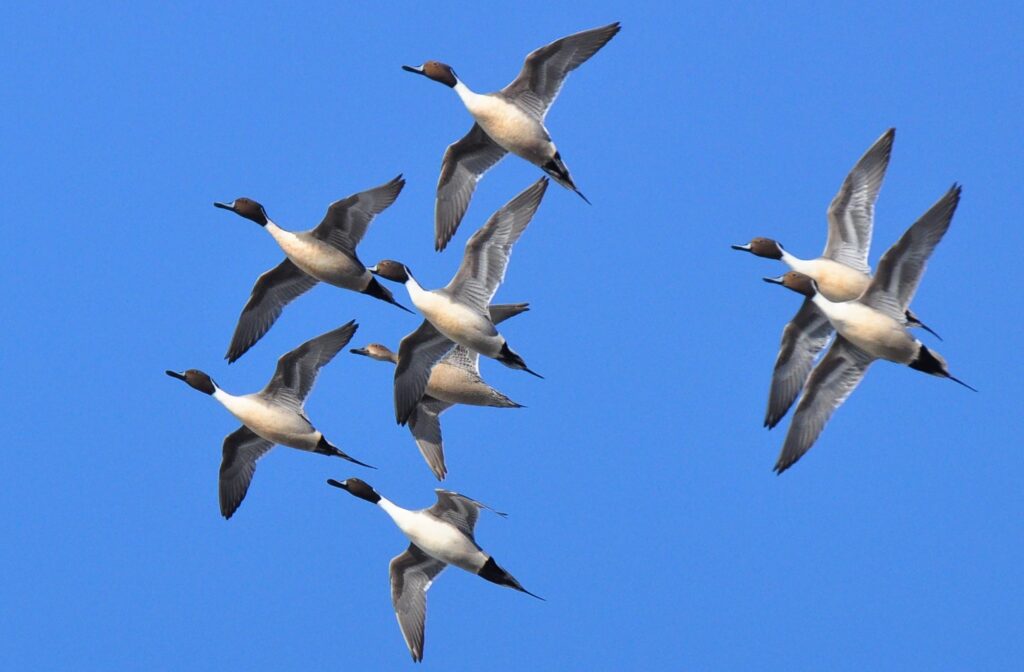
- Species Highlights: A surveyed breeding population of 6.6 million mallard ducks was reported by the Fish & Wildlife Service during 2025 – a number similar last year’s count, and 17 percent below the LTA. Blue-winged teal populations declined slightly during 2024 and are 13 percent below the LTA. The combined breeding populations of lesser and greater scaup [bluebills] declined 10 percent and have fallen to 25 percent below the average. The number of breeding pintails enjoyed a 13 percent increase during 2025, but are at an alarming 41 percent below their LTA.
So what does this year’s fall flight predictions mean to Iowa hunters? Well, we’ll all just have to wait and see. For those of us sitting smack dab in the middle of the flyway, there are always plenty of uncertainties. As is the case every year, the ultimate success of the fall duck season will mostly depend on local wetland conditions [not just water levels, but how much actual food our marshes contain], developing fall weather patterns and, of course, upon the migratory whims of the birds themselves.
 Ann Wolf
 Thomas Rinehart
 Susan Judkins Josten
 Rudi Roeslein
 Elyssa McFarland
 Mark Langgin
 Adam Janke
 Joe Henry
 Sue Wilkinson
 Tom Cope
 Kristin Ashenbrenner
 Joe Wilkinson
 Dr. Tammy Mildenstein
 Sean McMahon