
Photography courtesy of Lowell Washburn, all rights reserved.
For Iowa Wildlife Winter Weather is No Picnic
Winds gusting in excess of forty miles per hour. Horizontal snowfall. Visibility limited to 100 yards or less. Sub zero temps. Life threatening wind chills.
Those were the exact conditions when a good old-fashioned prairie blizzard roared through Iowa last weekend. Arriving in the state early Sunday morning, December 28, the storm delivered whiteout blizzard conditions that continued through the night and into the late morning hours of December 29. The storm stranded scores of motorists, shut down local roadways and closed more than 200 miles of Interstate-35 [both directions] from Ames through southern Minnesota.
Looking through the glass of my cozy dining room window, I wondered how anything could survive out there. It’s the same thing I always wonder whenever whiteout conditions grips the Iowa landscape. When the storm finally ends, I also never fail to marvel at how backyard birds suddenly reemerge to resume business as usual. How did they manage to weather the storm?
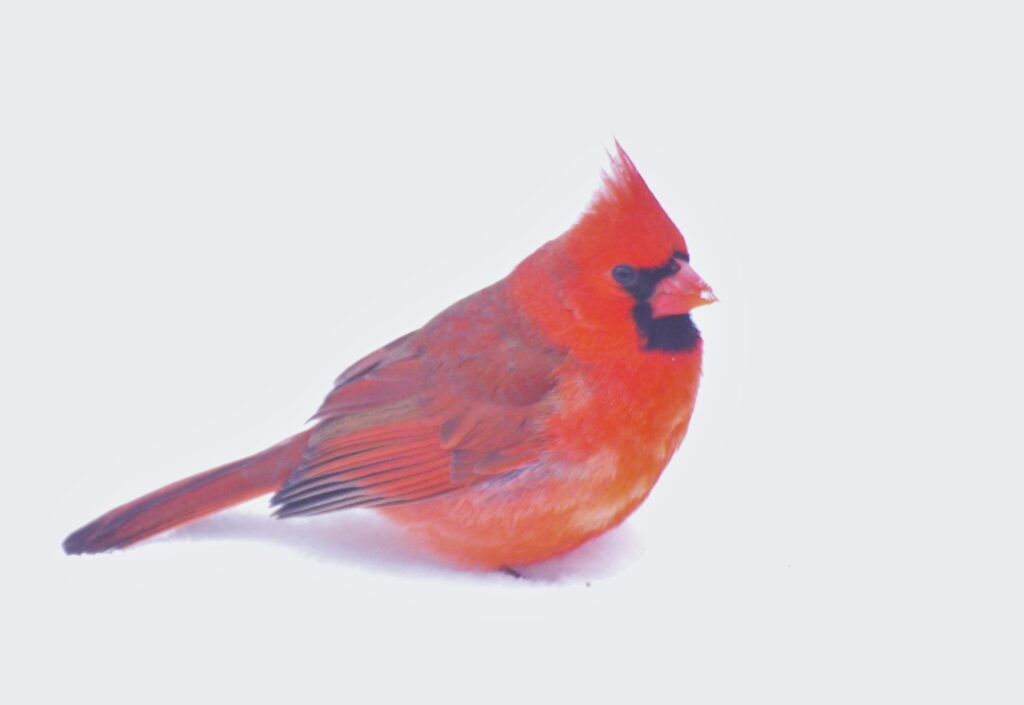
For Iowa wildlife, winter weather is no picnic; and survival tactics are nearly as varied and interesting as the species themselves. Their first trick is simple. In order to beat subzero cold, most birds consume all the food they can get their little beaks on. There’s no calorie counting with this crowd. Fat and carbs are a wintering bird’s best friends. As long as chickadees, nuthatches, and cardinals can locate and combine high energy food sources with secure roosting cover, they can easily withstand the coldest temperatures. Backyard feeders are never more beneficial to feathered visitors than when extreme weather puts daily survival on the line.
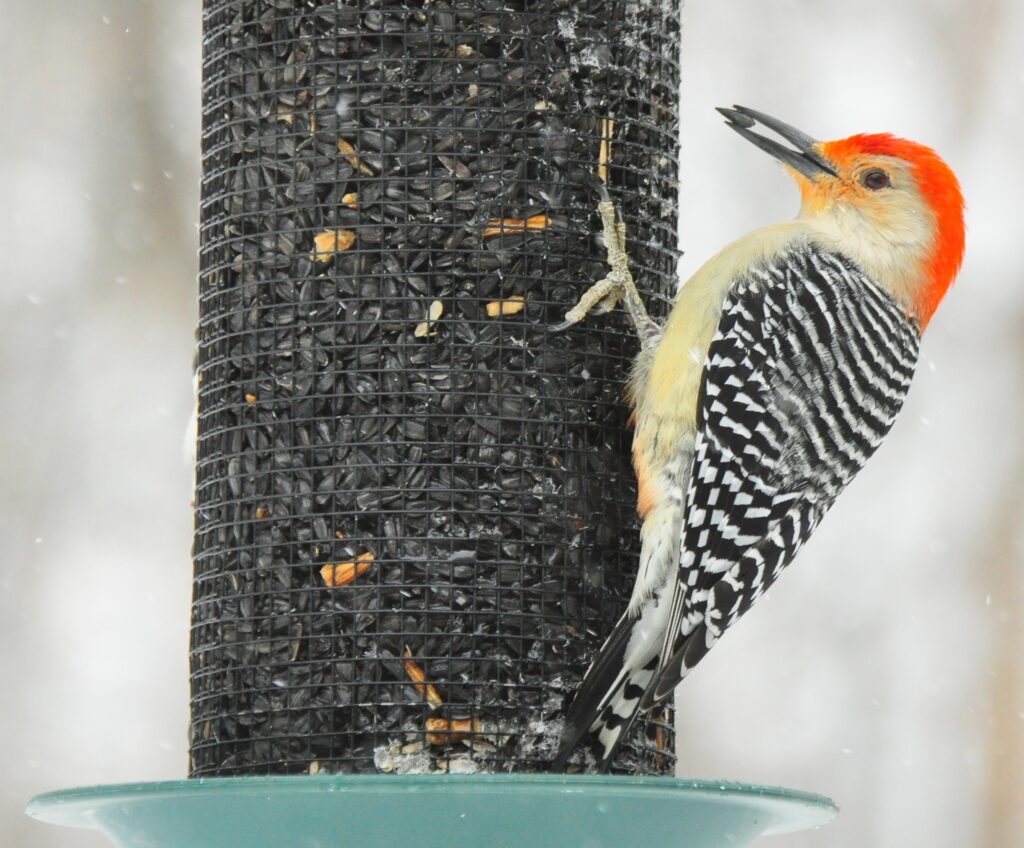
Birds further beat the cold by maintaining extreme, 105-degree or higher body temperatures. For large birds such as wild turkeys, swans or pheasants, maintaining those temperatures presents less of a challenge than it does for dinky, bundle of fluff birds weighing less than an ounce. Most large birds gain an early advantage over future cold by slabbing on layers of fat during fall. Once the winter weather gets tough, they can go for days without eating.
But while the biggest birds can afford to dig in and wait for conditions to moderate, little birds cannot. At the approach of winter storm systems, they kick it into overdrive. With comparatively lower fat reserves and extreme energy demands, species like chickadees, juncos and finches go on all out feeding rampage, swarming backyard feeders and voraciously consuming every bite they can get.
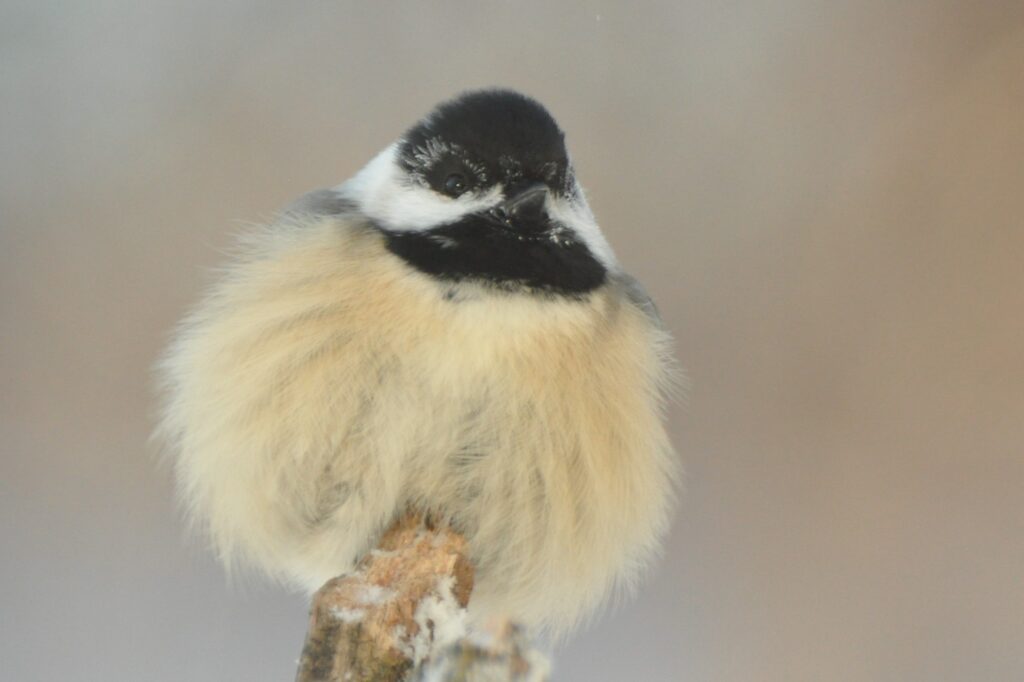
But there’s more to winter survival than just going to bed on a full stomach. Secure habitat is an equally crucial component. At day’s end, birds head for the warmest cover they can find. Ring-necked pheasants sail into cattail marshes, cardinals and juncos snuggle into spruce boughs, woodpeckers disappear into the dark recesses of excavated tree cavities.
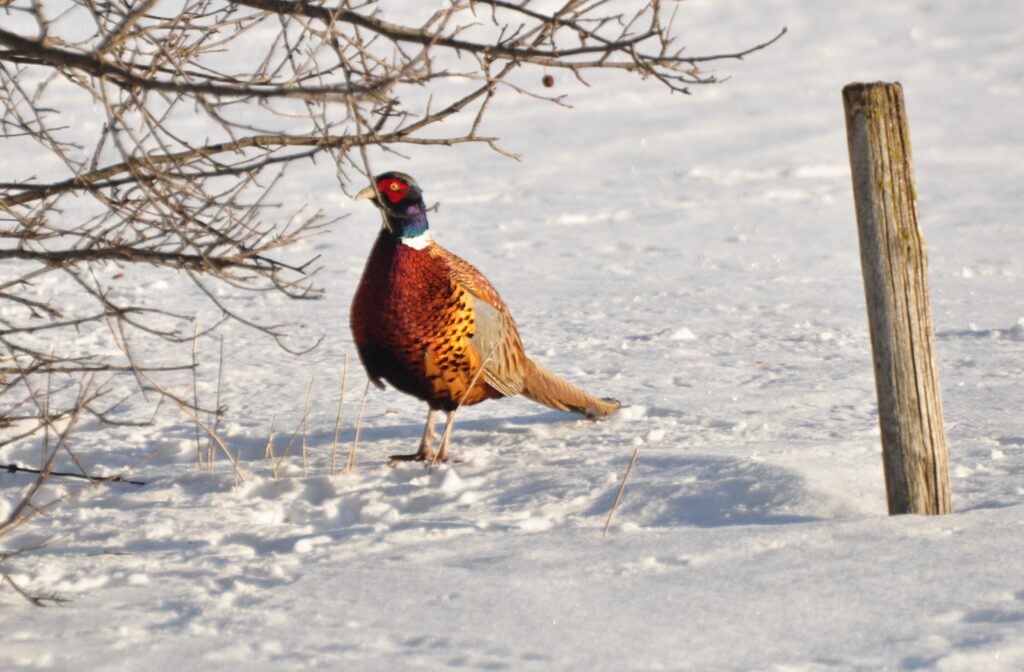
As nighttime temperatures dip even lower, many of the smallest birds employ a final survival tactic. Slowing their normally hyper metabolism, they go into a torpor; a deep, coma-like sleep where energy demands decline as internal temperatures temporarily decline.
There is no denying that winter is a stressful, dangerous time of attrition for all wildlife. During years of extreme weather events, mortality runs high. But given adequate food resources and substantial cover, enough birds will survive to replace winter loses during spring nesting.

 Susan Judkins Josten
 Rudi Roeslein
 Elyssa McFarland
 Mark Langgin
 Adam Janke
 Joe Henry
 Sue Wilkinson
 Tom Cope
 Kristin Ashenbrenner
 Joe Wilkinson
 Dr. Tammy Mildenstein
 Sean McMahon