Before Iowa became a landscape of farms, towns and highways, much of the state was covered in tallgrass prairie, wetlands, woodlands and winding rivers. These ecosystems supported an incredible diversity of plants and wildlife, from migrating waterfowl and grassland birds to bison and countless species of insects.
Today, national wildlife refuges help protect and restore pieces of those landscapes, providing places where wildlife can find food, shelter and space to thrive.
October 10–17 is National Wildlife Refuge Week, a time to recognize the importance of these public lands and the role they play in conserving our natural heritage.
According to the U.S. Fish and Wildlife Service, the National Wildlife Refuge System includes 570 refuges and 38 wetland management districts across the country, protecting approximately 95 million acres of land.
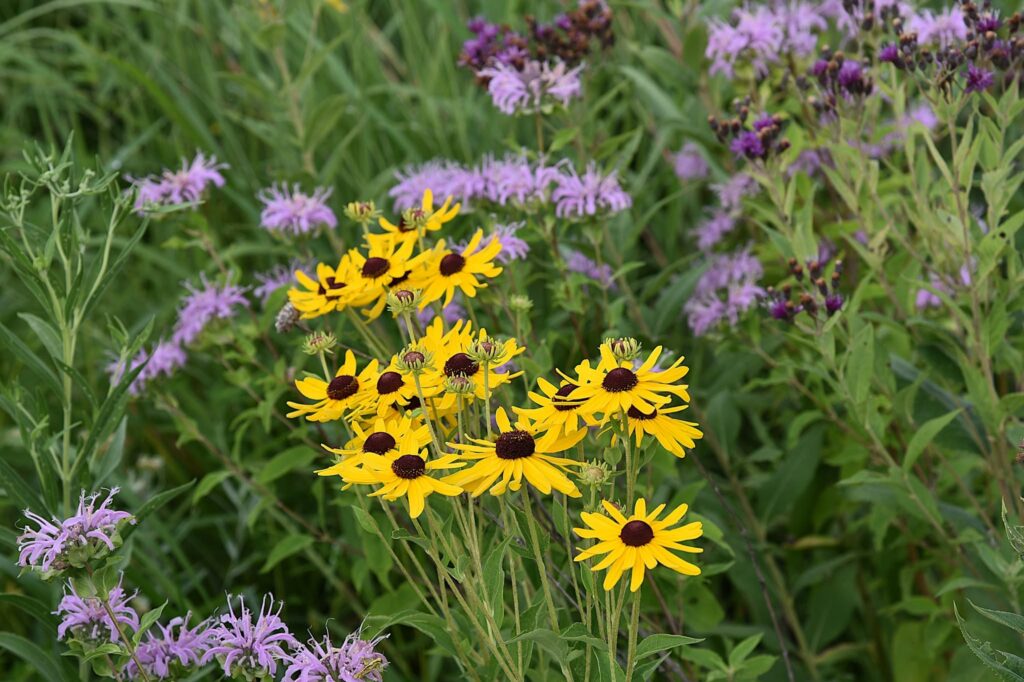
Neal Smith National Wildlife Refuge
Just outside Prairie City, Neal Smith National Wildlife Refuge is working to restore the tallgrass prairie and oak savanna ecosystems that once dominated much of Iowa’s landscape.
The refuge is home to bison, elk, grassland birds, native wildflowers and a wide variety of other wildlife. Its restored prairie provides habitat for species that depend on these increasingly rare ecosystems.
But the refuge is never quite the same from one visit to the next.
Winter brings snow-covered grasslands and quiet trails. Spring welcomes migrating birds and the first signs of new growth. By summer, the prairie is alive with wildflowers, insects and birdsong. And in fall, the grasses turn shades of gold and copper as the landscape prepares for another winter.
Each season offers a different look at the same landscape and the wildlife that depend on it.
Find Time to Explore
Neal Smith is just one of several national wildlife refuges in Iowa. Others include:
- DeSoto National Wildlife Refuge, near Missouri Valley, protects Missouri River floodplain habitat and provides an important stopover for migrating waterfowl and other birds.
- Union Slough National Wildlife Refuge, near Titonka, protects prairie and wetland habitat in northern Iowa and is especially important for migratory birds.
- Port Louisa National Wildlife Refuge, near Wapello, protects wetlands and floodplain forests along the Mississippi River, one of North America’s major bird migration routes.
- Driftless Area National Wildlife Refuge, in northeastern Iowa, protects rare habitats found among the region’s steep bluffs and valleys, including areas that support the endangered Iowa Pleistocene snail.
 Craig Parker
 Ann Wolf
 Thomas Rinehart
 Susan Judkins Josten
 Rudi Roeslein
 Elyssa McFarland
 Mark Langgin
 Adam Janke
 Joe Henry
 Sue Wilkinson
 Tom Cope
 Kristin Ashenbrenner
 Joe Wilkinson
 Dr. Tammy Mildenstein
 Sean McMahon