
Every fall, Iowa’s trees put on a show before dropping their leaves for the season. For many of us, that signals the start of another annual tradition: raking, bagging and hauling those leaves away.
But fallen leaves aren’t waste. They’re habitat.
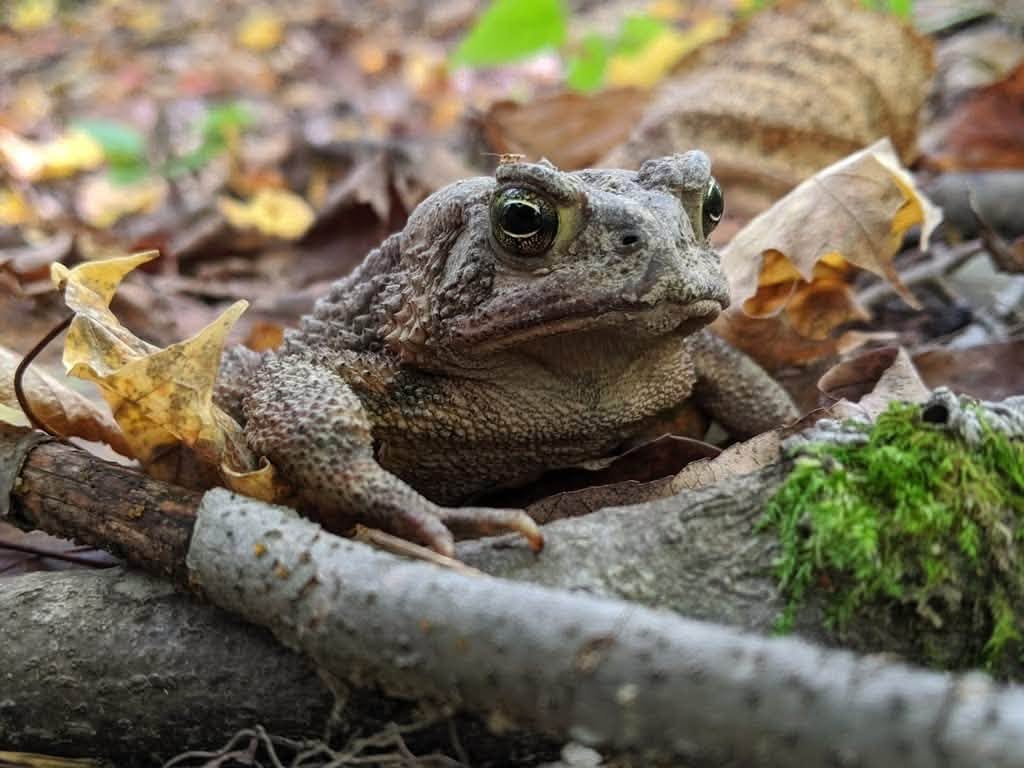
October is Leave the Leaves Month, an initiative from the National Wildlife Federation encouraging people to rethink fall yard cleanup and recognize the important role fallen leaves play in healthy backyard ecosystems.
A Hidden Habitat Beneath the Leaves
A layer of fallen leaves may look quiet, but there’s a lot happening underneath.
Butterflies, moths, fireflies and other insects depend on leaf litter during different stages of their life cycles. Caterpillars and other insects may spend the winter tucked beneath leaves, while salamanders and other small animals use the layer for food, moisture and shelter from cold temperatures.
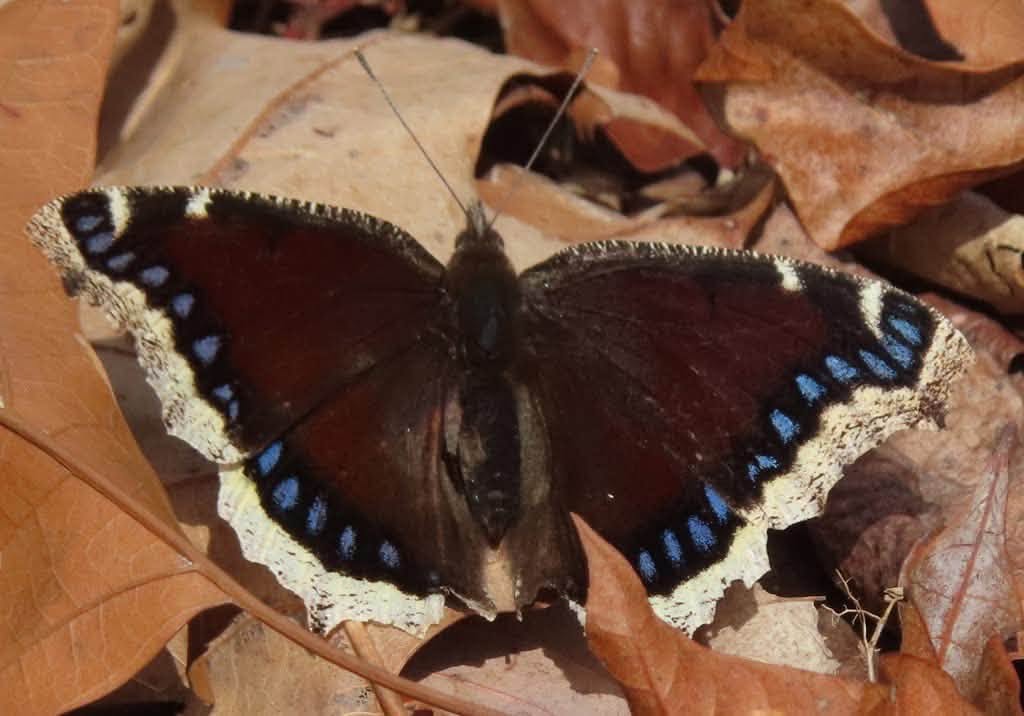
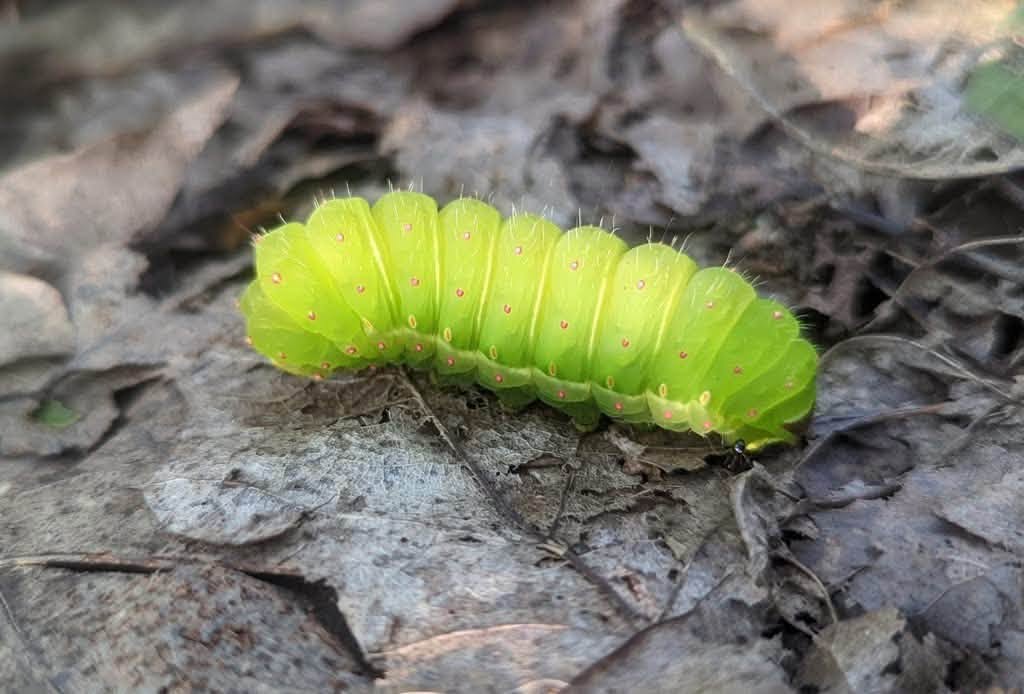
That habitat continues to matter when spring arrives. Birds rely heavily on insects and caterpillars as a food source, particularly when raising their young. By allowing some leaves to remain through the winter, you’re helping support a food web that extends far beyond the insects beneath them.
Fallen leaves benefit your landscape, too. As they break down, they return nutrients and organic matter to the soil, help retain moisture and provide a natural layer of mulch.
You Don’t Have to Leave Them Everywhere
Participating in Leave the Leaves Month doesn’t mean abandoning your yard or letting leaves pile up everywhere.
Leaves can be moved off sidewalks, driveways and areas of turfgrass and put somewhere they can do more good. Rake them into garden beds, place them beneath native trees and shrubs or create a leaf pile in a less-used corner of your yard. Extra leaves can also be composted rather than thrown away.
If you have native plants in your garden, consider leaving their stems and seed heads standing through the winter, too. Together, leaves and standing plant material can provide food and shelter for wildlife throughout the colder months.
Creating habitat at home doesn’t always mean adding something new. Sometimes, one of the best things we can do for wildlife is simply leave some of what nature already provides.
This fall, skip a few bags of leaves. Leave a garden bed untouched. Let a corner of your yard stay a little wild.
A little less cleanup can mean a lot more habitat.
 Craig Parker
 Ann Wolf
 Thomas Rinehart
 Susan Judkins Josten
 Rudi Roeslein
 Elyssa McFarland
 Mark Langgin
 Adam Janke
 Joe Henry
 Sue Wilkinson
 Tom Cope
 Kristin Ashenbrenner
 Joe Wilkinson
 Dr. Tammy Mildenstein
 Sean McMahon