
Photography courtesy of Lowell Washburn, all rights reserved.
When the weather turns cool and autumn winds shift to the north, duck hunters can expect to see waterfowl numbers similar to those seen during 2025. That’s the assessment of this year’s annual Waterfowl Population Status Report released earlier this week by the U.S. Fish & Wildlife Service.
Conducted every year since 1955, the continent-wide annual survey measures trends in duck breeding populations and monitors wetland [pond] indexes across the northern U.S. as well as for large portions of prairie and boreal Canada. Healthy wetlands are critical to waterfowl survival. Recovering from long term drought, this year’s count of 4.8 million spring ponds was a welcome 14 percent increase from 2025, and pond counts are currently 9 percent below the 1955 – 2026 long-term average [LTA]. Although substantial rainfall occurred across much of the northern plains and southern Canada during late May and June, the precipitation arrived too late to benefit nesting ducks. Hopefully this year’s increase in pond counts is the beginning of good things to come.
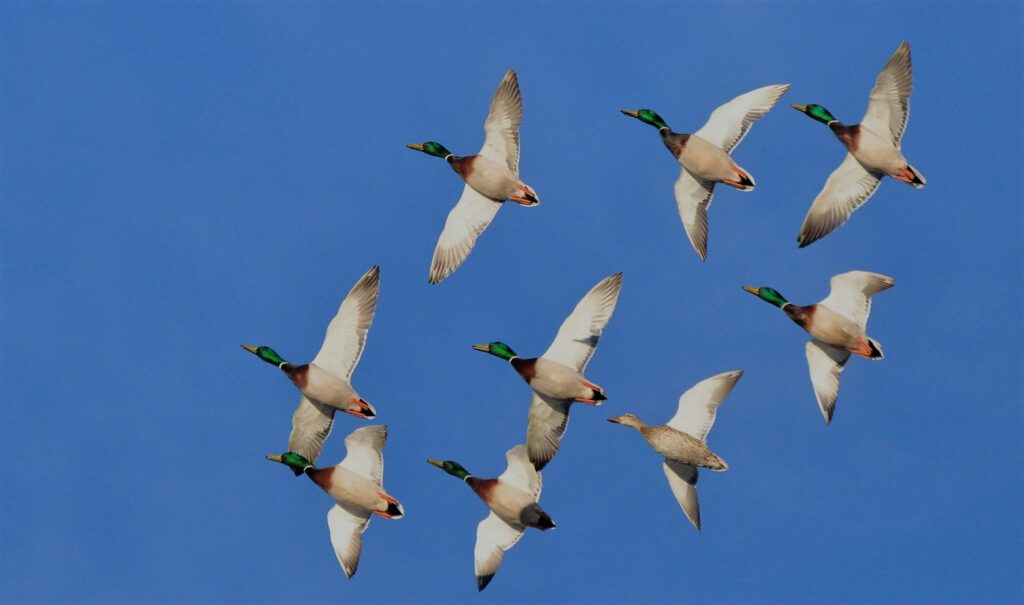
Species Highlights: A surveyed breeding population of 5.9 million mallard ducks was reported by the Fish & Wildlife Service during 2026 – down 11 percent from last year’s count, and 26 percent below the species’ LTA. Drought stricken mallard populations are currently the lowest seen in more than thirty years, according to Dr. Steve Adair, Ducks Unlimited Chief Scientist.
By contrast, American wigeon, gadwall, and green-winged teal mostly held their own, with each species showing only a slight decrease from 2025.
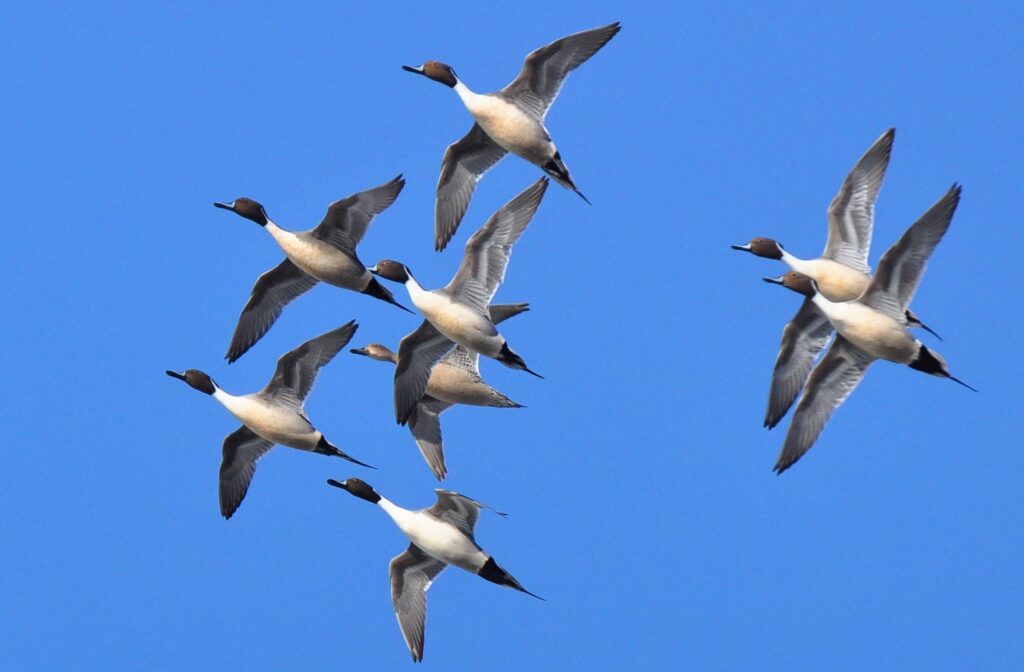
Blue-winged teal declined by 11 percent during 2026 and are at 22 percent below the LTA. The number of breeding pintails also decreased by 11 percent during 2026, and are at an alarming 48 percent below their LTA.
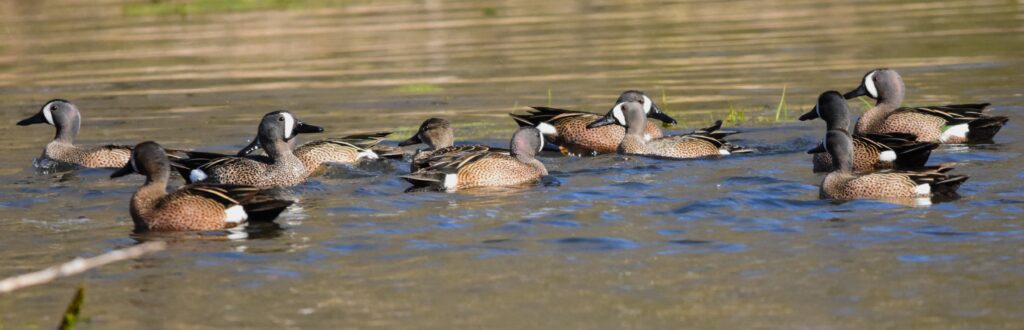
Here in the Lower 48, the surveyed number of breeding ducks in Minnesota increased a remarkable 63 percent from 2025. Breeding mallards were up 47 percent over 2025, exceeding both their 10-year and long term averages. The number of blue-winged teal tripled from last year’s estimates, easily exceeding the 10-year average and only one point below the Minnesota LTA. Wood ducks, gadwall, shovelers, and ring-necked ducks all posted gains during Minnesota’s spring survey.
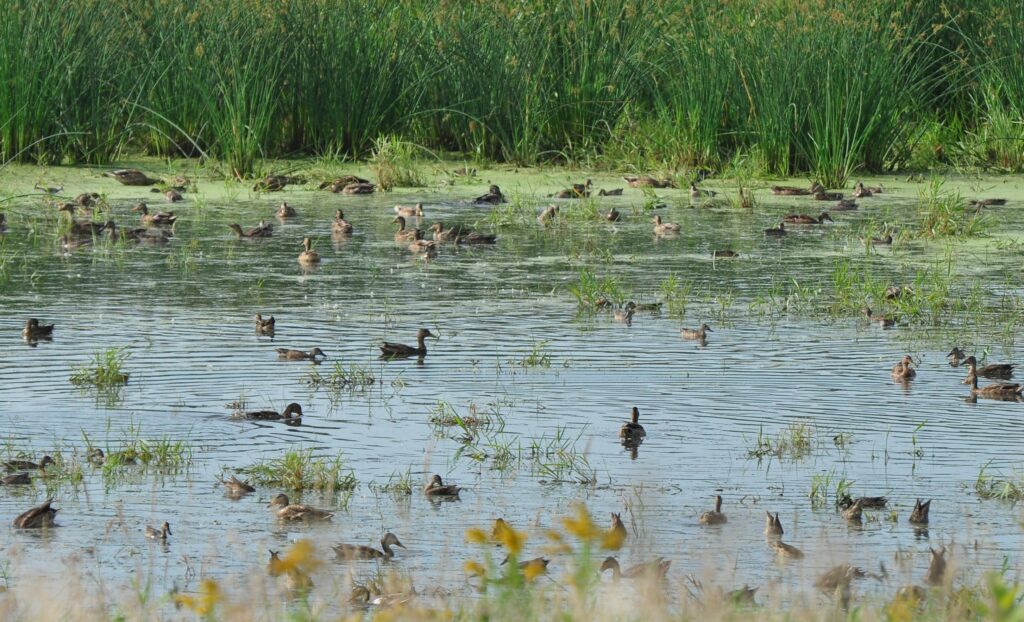
Biologists credit the state’s extraordinary increase in breeding waterfowl to timely April rainfall that bolstered spring nesting efforts and provided excellent brood rearing habitat throughout the summer. The fact that Minnesota’s duck populations are situated straight to our north could provide a significant benefit to the success of Iowa hunters.
So what does this year’s diverse mix of bad, fair, and good news mean to Iowa duck hunters? The reality is that no one can say. For those of us sitting smack dab in the middle of the mighty Mississippi flyway, there are always plenty of uncertainties. As is the case every year, the ultimate success of the fall duck season will mostly depend on local wetland conditions [not just water levels, but how much actual food our marshes contain], developing fall weather patterns and, of course, upon the migratory whims of the birds themselves. Some of Iowa’s best waterfowl seasons have occurred during modest to poor production years and vice versa. The only way to know for sure what this year’s seasons will bring is to be there. See you on the marsh.

 Craig Parker
 Ann Wolf
 Thomas Rinehart
 Susan Judkins Josten
 Rudi Roeslein
 Elyssa McFarland
 Mark Langgin
 Adam Janke
 Joe Henry
 Sue Wilkinson
 Tom Cope
 Kristin Ashenbrenner
 Joe Wilkinson
 Dr. Tammy Mildenstein
 Sean McMahon