
Photography courtesy of Lowell Washburn, all rights reserved.
The Iowa goose opener is one of my favorite events on the annual outdoor calendar. Big, beautiful, noisy, and delicious – Canada geese have everything it takes to make for an exciting day afield.
But this year’s September 26 opener, as well as most of the following week, was somewhat dampened by the weather — a dismal series of dense fog, rain, and drizzle. According to state climatologists, this September has been the wettest since 2019. After spending most of the week laying in a grazed pasture while wearing chest waders and a rubber rain coat to stay dry, I tended to believe them.
Since everywhere I normally hunt was way too muddy to pull into with a trailer full of decoys, I made the best of it by going to Plan B, which involved packing a bag of 50 goose silhouettes into the pasture. But the sloppy mornings were well worth the effort. Although the goose hunting was not exactly red hot, there is always something interesting to see during the early waterfowl seasons. Today was no exception.
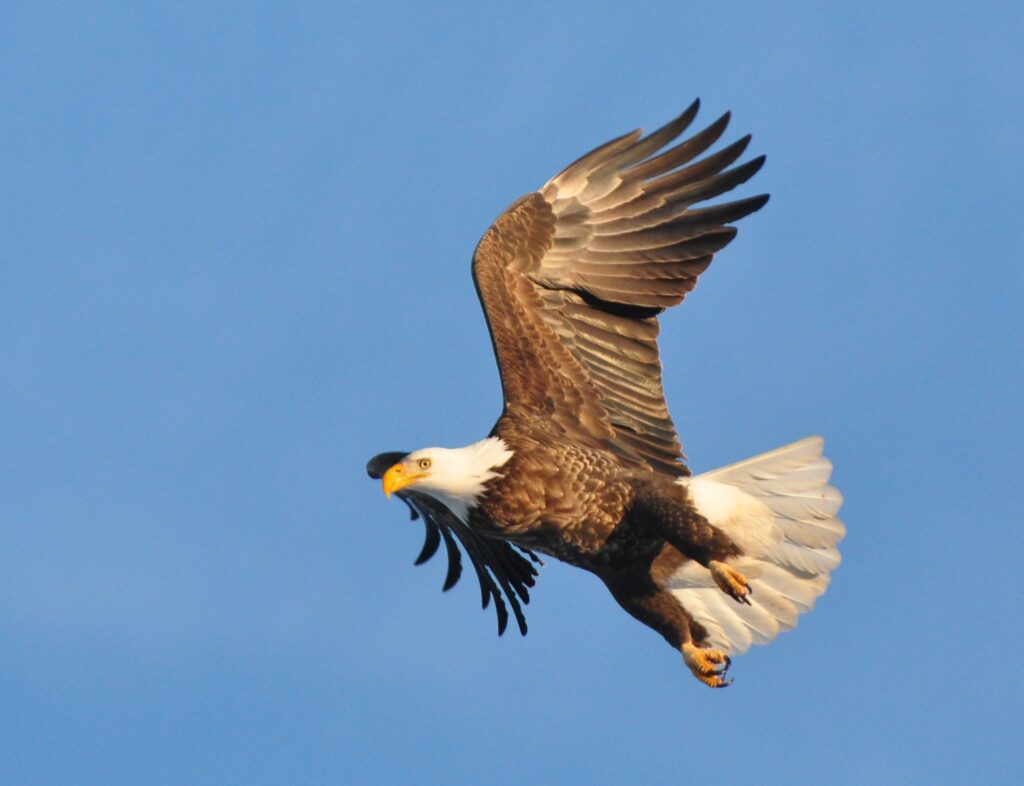
The morning began with the week’s typical mix of frog strangling, London-grade fog accompanied by light drizzle. Instead of lifting, the fog bank actually became thicker after sunrise. Visibility was reduced to next to nothing, and water began dripping from the bills of the decoys. Around eight o’clock or so, the fog began to lift a bit and wildlife began to stir. The very first bird of the day was a beautiful adult bald eagle that conducted a flyby of the decoys. Bald eagles love to eat geese too. But on this occasion, the giant raptor quickly surmised that my decoys were not to its liking. The eagle sheered off and landed at the top of the nearest tree.
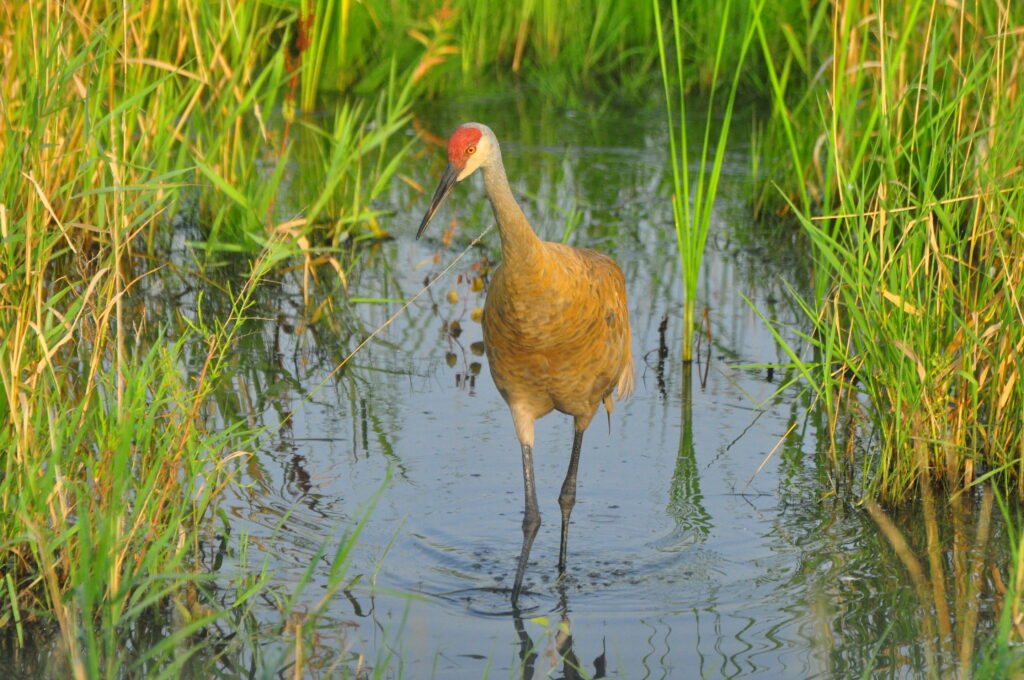
A few minutes later, I heard the raucous sound of sandhill cranes. The calling became louder and louder until I could finally see the birds winging in my direction. Extending their ultra long legs, the cranes touched down in the grass to my right. Once on the ground, the frog hunting cranes continued their boisterous clamor as if proving to the world that sandhills do indeed have the loudest voice of any bird.
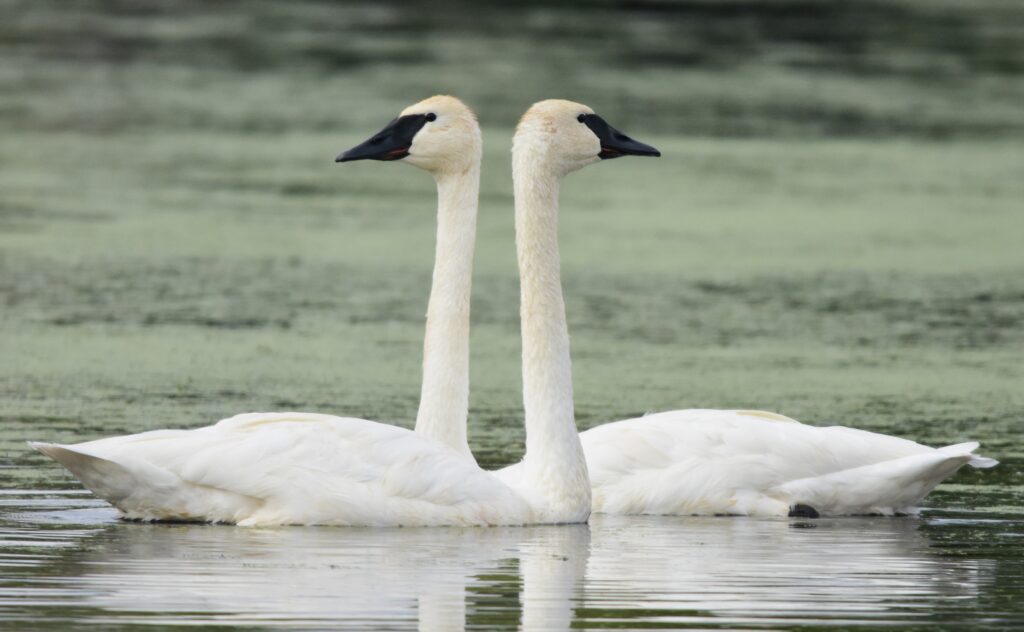
By nine o’clock the fog was pretty much gone and, although I hadn’t heard or seen a single goose yet, I was hopeful that the improved visibility would put some birds on the wing. While I waited, there was more wildlife entertainment. Like the four huge and magnificent trumpeter swans that flew past the eastern edge of my spread. As they passed the decoys, I could hear the snow white birds conversing by means of their deep resonate calling.
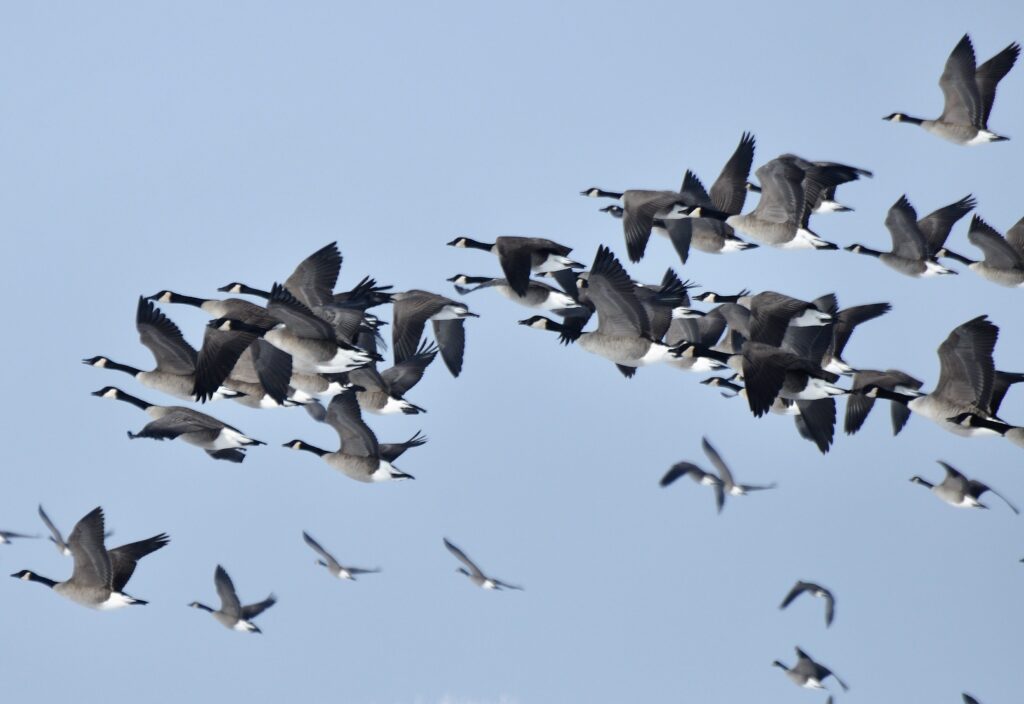
At long last, a flock of geese suddenly appeared from the north – approaching in a long, wing tip to wing tip line. Although the birds were somewhat high, I could tell they had already spotted the decoys and were likely to give the spread a serious look. Lying beneath a green camo blanket, I pulled the cover up until only my eyeballs were showing.
Upon reaching the edge of the pasture, the honkers simultaneously set their wings and began a spectacular descent. As the flock continued its approach, the volume and frequency of their calling rapidly increased. The geese were excited, and so was I. Arriving over the decoys, the birds dropped their black-webbed landing gear and, standing on the tails, dropped straight to the silhouettes. The scene was breathtaking. As the geese back peddled for a landing, the sound of their wings made the already noisy event even louder. The combination of sight and sound was memorizing. So much so that by the time I reacted, a few of the birds had already touched down and were standing in the decoys. Others were braking for landing at the mere distance of ten feet. Not ten yards, but ten feet. At that range, the honkers appeared bigger than life. It was go time.
Sitting up, I pointed the double barrel at one of the farthest birds and pulled the trigger. To my complete and total amazement, two birds fell dead at the sound of the shot. That’s right, a limit of two beautiful giant Canada geese with one shell. Don’t see that one every day. As the alarmed flock vacated the pasture, I quickly tried to count the departing survivors. There were over thirty birds in the retreating flock. Canada geese are wary birds. To have that many honkers drop to the decoys without hesitation was about as out of the ordinary as me bagging a limit with one shot. It had indeed been a memorable morning.
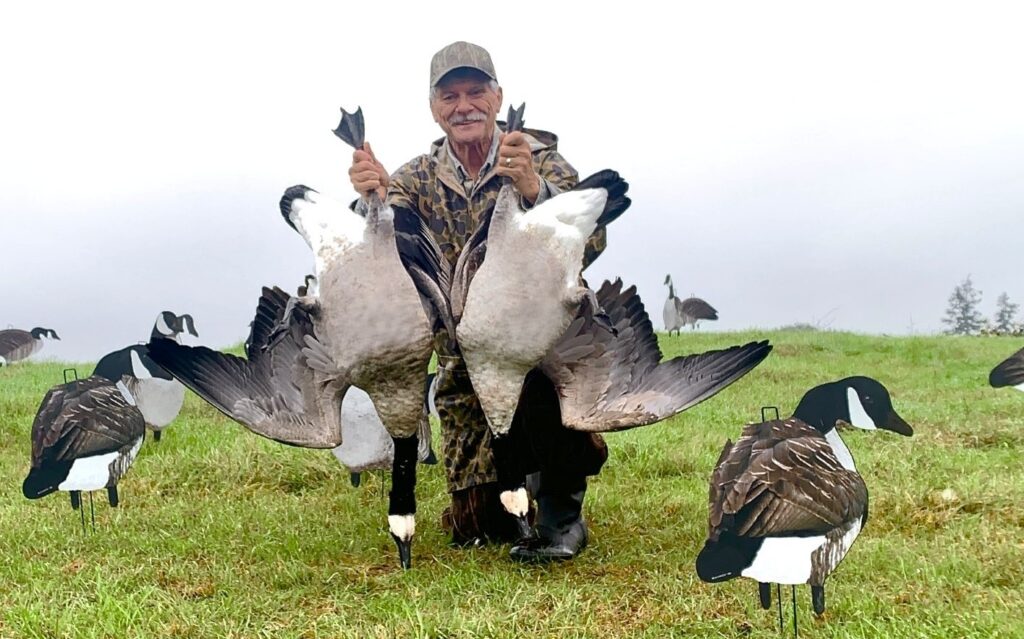
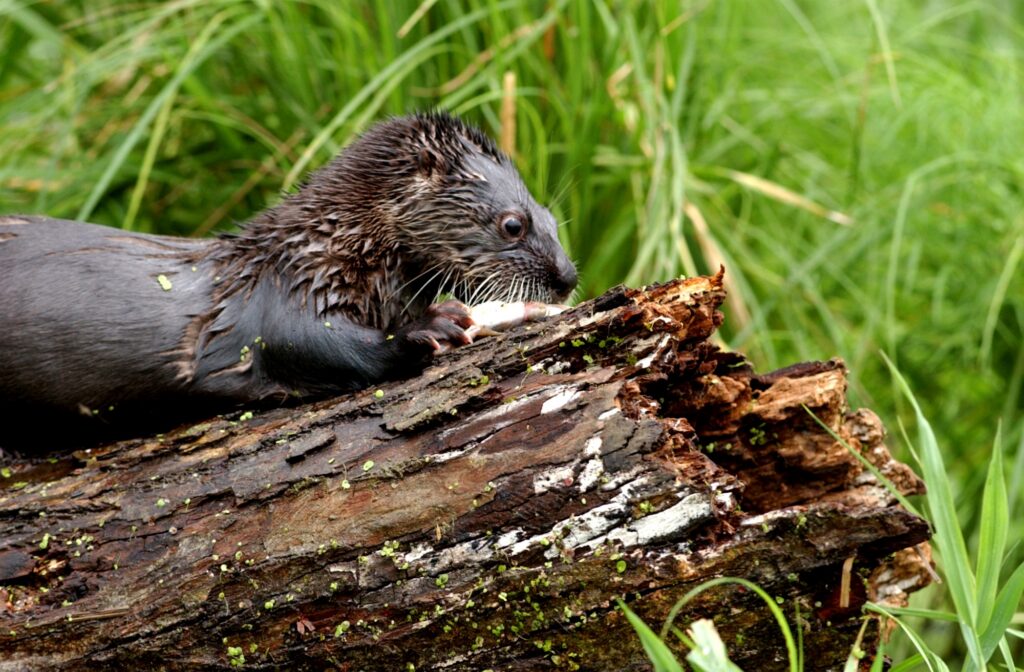
Savoring a final cup of Black Rifle coffee, I considered the events of the day. Not just the geese, but everything else I had seen or heard on this foggy morning. A bald eagle, sandhill cranes, trumpeter swans, and of course the Canada geese. There is also a pond located just over the hill from the pasture. A few days ago, I had watched as a family of five river otters crossed that pond, moving like a group of porpoises as they moved through the water in a symmetrical series of superbly choreographed dives.
It’s incredible when you consider the fact that none of these species even existed in Iowa until recent years. It wasn’t all that long ago that if anyone spotted a migrating bald eagle, they would be telling people about it for weeks. Trumpeter swans and sandhill cranes were unheard of in Iowa. Ditto for river otters. Canada geese only occurred as migrants. If anyone was fortunate enough to bag a genuine honker, they could get their grinning face posted on the front page of virtually any weekly newspaper. How times change.
Today, bald eagles have become an increasingly common sight and are currently nesting in all of Iowa’s 99 counties. Sandhill cranes have also become an increasingly common summer resident and are currently nesting in nearly 40 Iowa counties. Trumpeter swans – the world’s largest waterfowl — are nesting on wetlands across the state. Reintroduced to Red Rock Reservoir in 1985, river otters are currently inhabitating drainages statewide and a limited trapping harvest is now allowed. Canada geese have gone from a rarely bagged species to one of the state’s most recreationally important gamebirds. Today, Iowa hunters annually bag over 50,000 Canadas. Who would have dreamed?
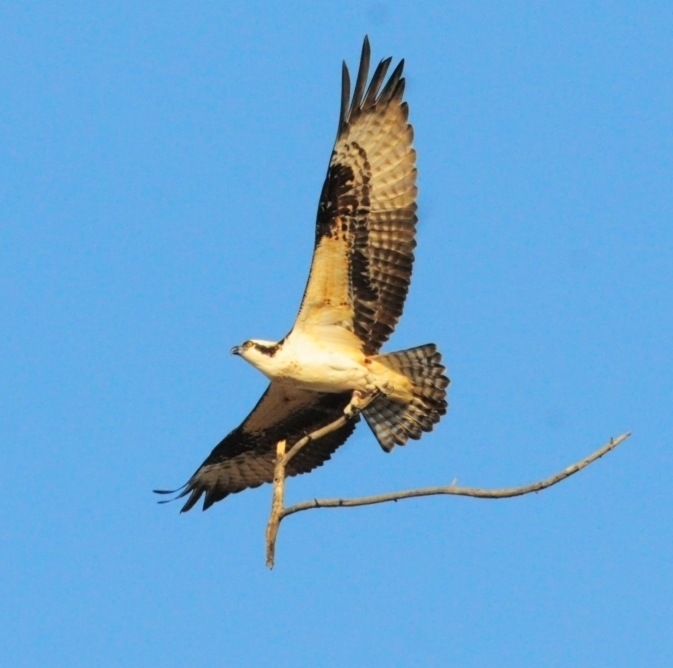
The list continues with the successful restorations of wild turkeys, peregrine falcons, and nesting osprey. Contemporary Iowans have much to be thankful for. May we never again take our precious wildlife resources for granted.
 Craig Parker
 Ann Wolf
 Thomas Rinehart
 Susan Judkins Josten
 Rudi Roeslein
 Elyssa McFarland
 Mark Langgin
 Adam Janke
 Joe Henry
 Sue Wilkinson
 Tom Cope
 Kristin Ashenbrenner
 Joe Wilkinson
 Dr. Tammy Mildenstein
 Sean McMahon