
Photography courtesy of Lowell Washburn, all rights reserved.
For Iowa Birders; It Is a Time Like No Other
This year’s spring songbird migration has been one of the most spectacular in recent years. Orioles, grosbeaks, tanagers, buntings, wood warblers, you name it – all making their welcome appearance across Iowa’s spring landscape.

Most songbirds begin their northward migrations shortly after sunset. When conditions are favorable, the total number of birds in flight can be staggering. On the night of May 16, for example, local radars and the BirdCast Migration Dashboard recorded an astounding 12.8 million avian migrators crossing Iowa’s nighttime skies. Utilizing starry constellations and the earth’s magnetic fields to point the way, most species wing their way north at altitudes of two thousand to three thousand feet or more above the ground. Following a night of rigorous navigation, migrators descend back to earth at the approach of dawn. Making the most of their break, wing-weary travelers will rest, preen, bathe, and feed during the ever lengthening daylight hours. At day’s end, the flight to northern nesting grounds is resumed.
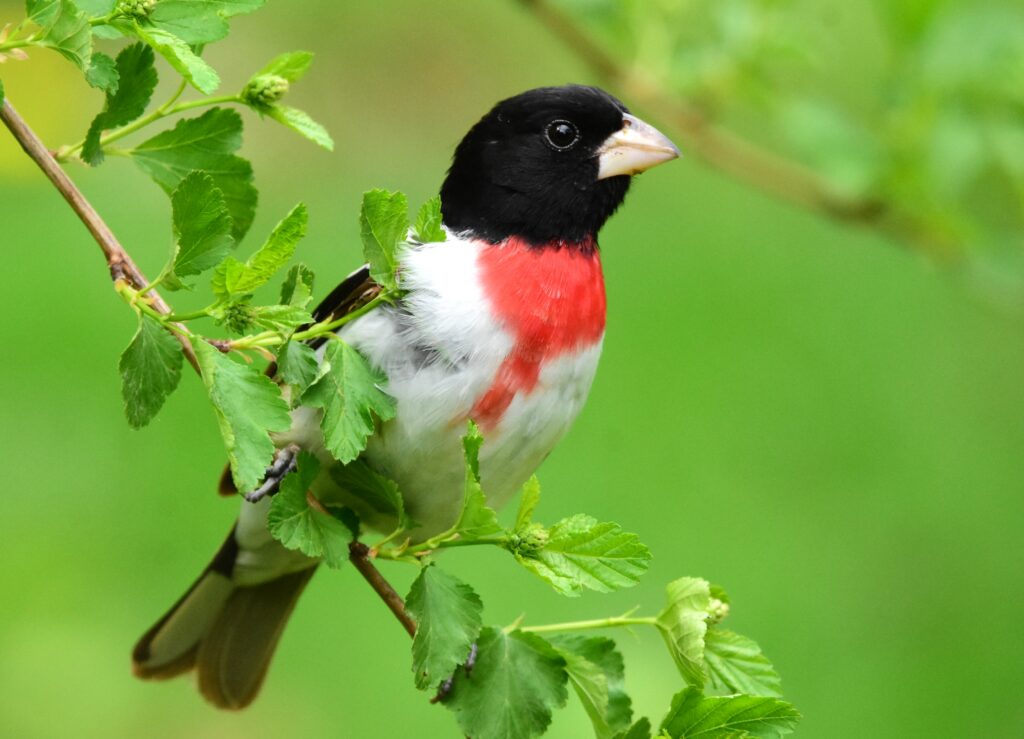
The distances that songbirds travel between winter and summer homes is beyond astonishing. It is miraculous! The tiny blackpoll warbler is one of my favorite examples. Weighing less than half an ounce, the blackpoll migrates farther than any other warbler currently migrating through Iowa. Blackpolls spend the winter months in the lush, neotropical habitats of South America’s Amazon Basin. But come spring, the warbler heads for its ancestral nesting grounds in the boreal forests of northern Canada. The migration is an incomprehensible test of endurance representing an annual 20,000 mile round trip.
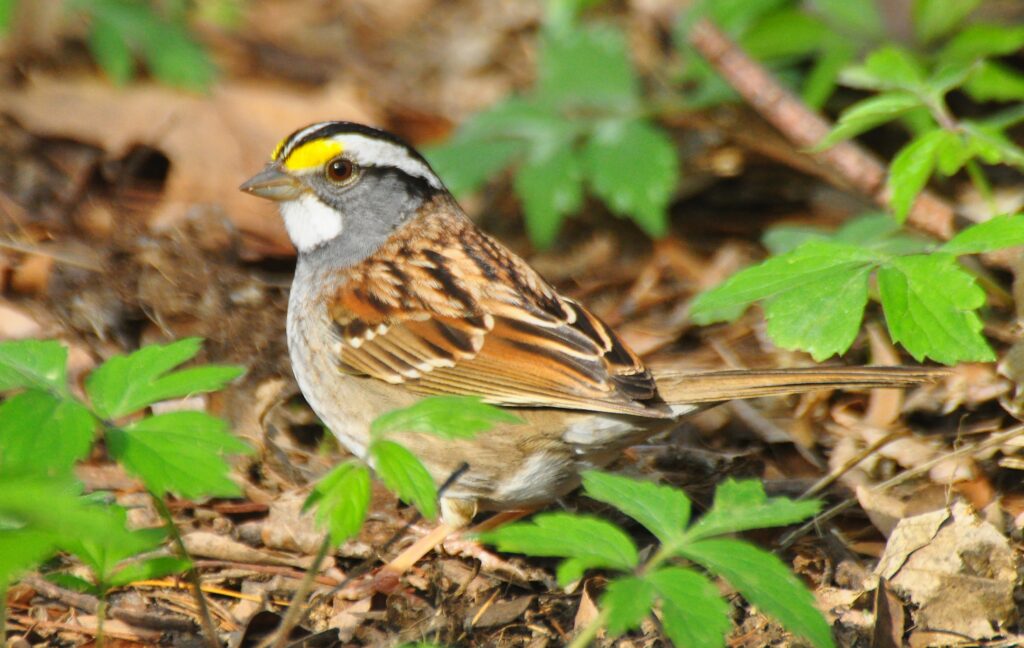
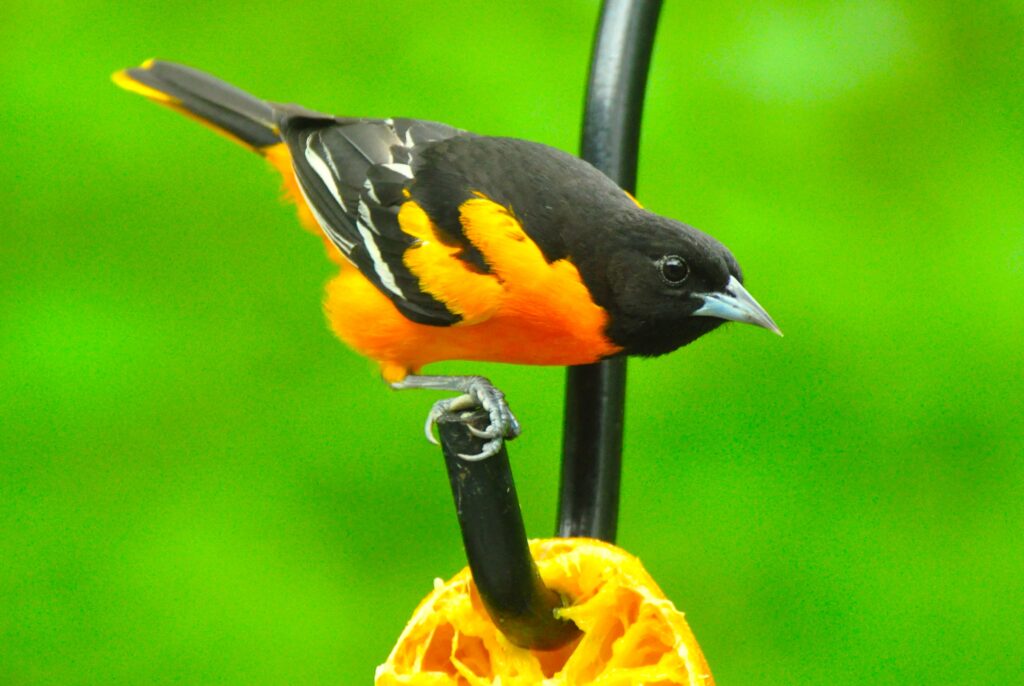
The evidence of peak migration nights become abundantly evident the following morning as our forested habitats, wooded river corridors, and backyard feeding stations become teeming with a dozen or more species of hungry new arrivals. Rose-breasted grosbeaks, Baltimore orioles, orchard orioles, indigo buntings, and hummingbirds all vie for a place at backyard feeders.
Meanwhile, a host of additional species – including warblers, thrashers, towhees, tanagers, and a variety of native sparrows – busily explore treetop branches, understory gooseberries, or rake through forest floor leaf litter in search of their favorite – mainly insect – foods.
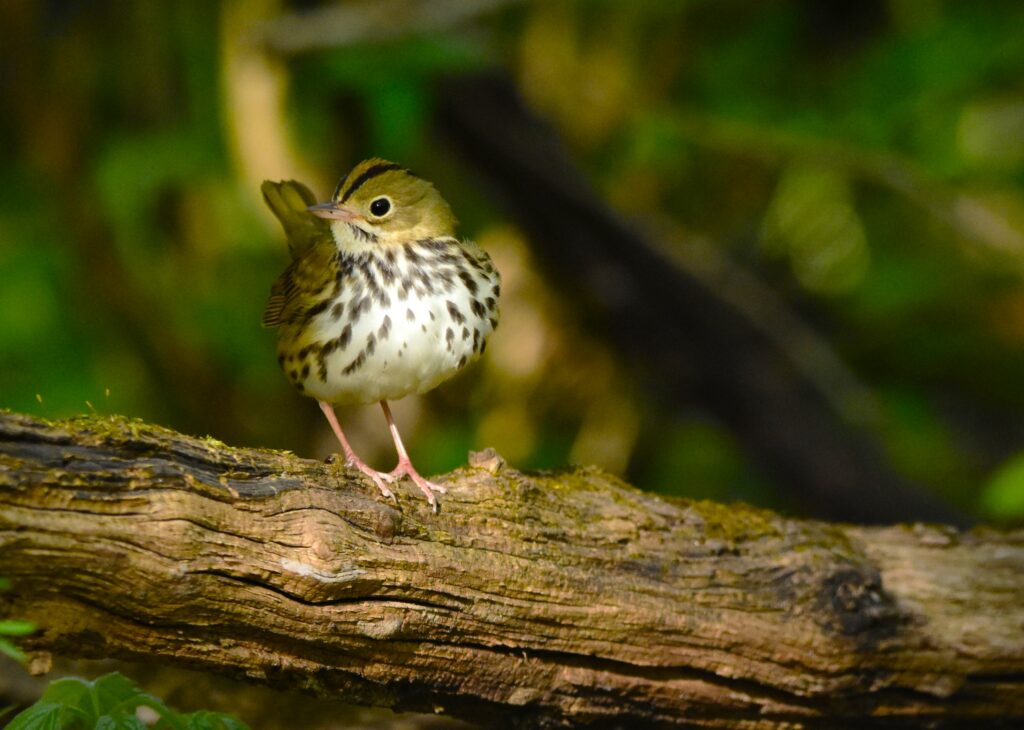
For Iowa birding enthusiasts, it is a time like no other. A visual reminder of the tremendous beauty and diversity of the birdlife we all enjoy.

 Craig Parker
 Ann Wolf
 Thomas Rinehart
 Susan Judkins Josten
 Rudi Roeslein
 Elyssa McFarland
 Mark Langgin
 Adam Janke
 Joe Henry
 Sue Wilkinson
 Tom Cope
 Kristin Ashenbrenner
 Joe Wilkinson
 Dr. Tammy Mildenstein
 Sean McMahon